Lesson Plan PDF
Slides (Web Presentation Link) or as PDF
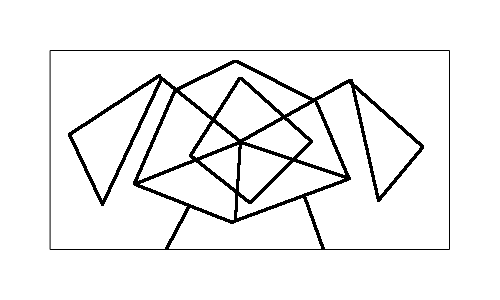
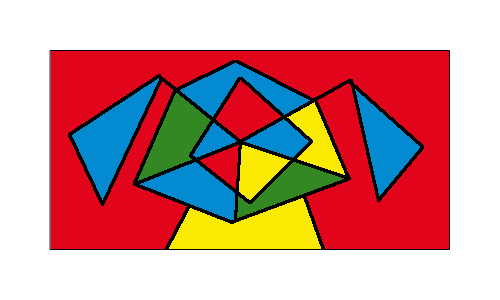
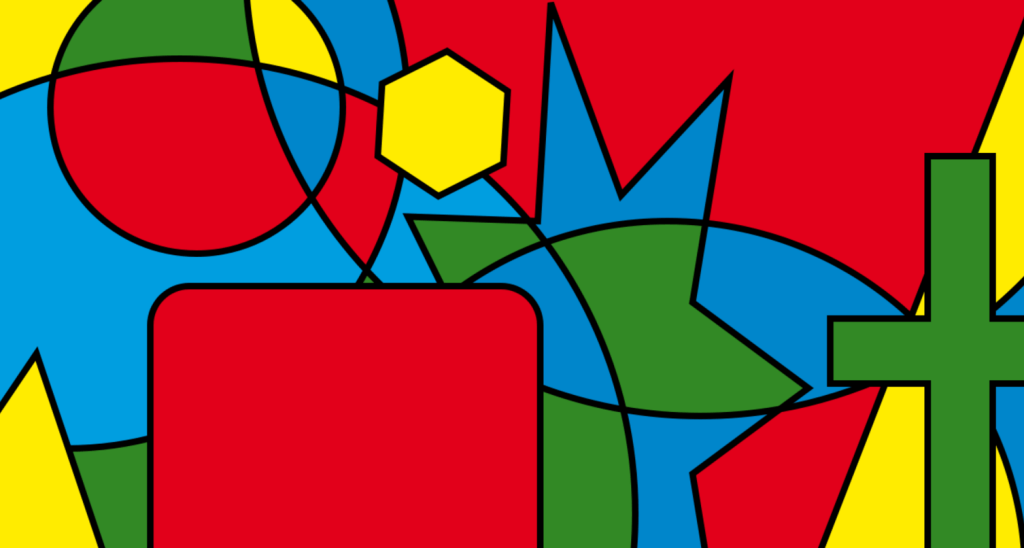
The Four Colour Theorem basically states that you can colour any map in four colours so that each colour does not touch another colour the same. So if you draw out a selection of lines, so any shapes that form create a sort of map. Then if you set yourself the challenge of colouring in each section so that no coloured area touches another area with the same colour, you can colour in that map with only four colours. It seems pretty remarkable, and unless something peculiar is going on with your map, (i.e the areas are noncontiguous, like how Alaska doesn’t connect to the other US states) it will work every time.
The great story here is that this was the first time a computer was used to solve a complex maths problem, and still to this day some mathematicians refuse to agree with the proof. The 5 colour theorem was proven in the 1800s, but reducing this to 4 was considered too difficult to do without the help of a supercomputer running through all the possible outcomes of maps and colour arrangements. Since then hundreds of previously unsolved mathematics problems have been solved, but many mathematicians question if this reliance on the computer will create less appealling proof to some of the most complex maths questions still to be solved/proved.
Another less interesting note is that this theorem has absolutely no use for cartographers! It has only really helped in the world of Computer Science.
My Experience
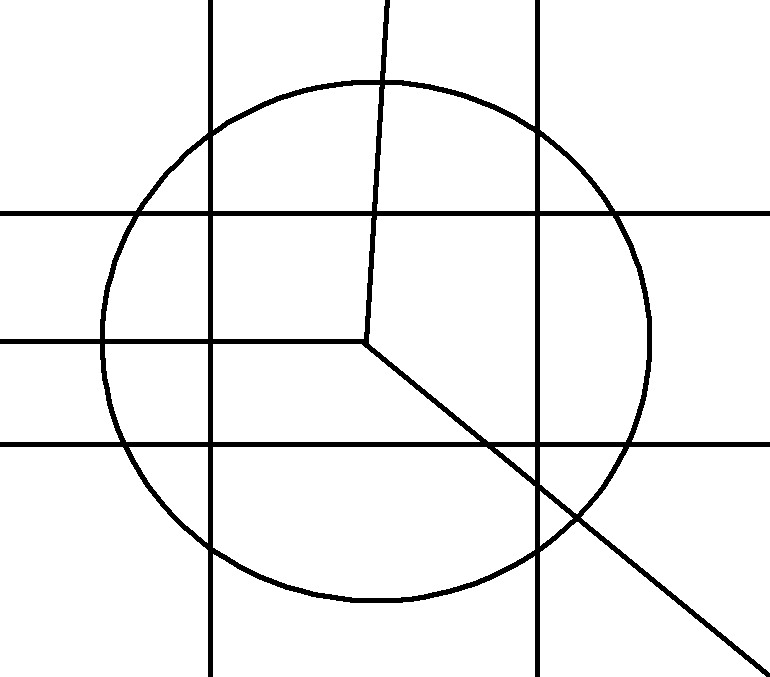
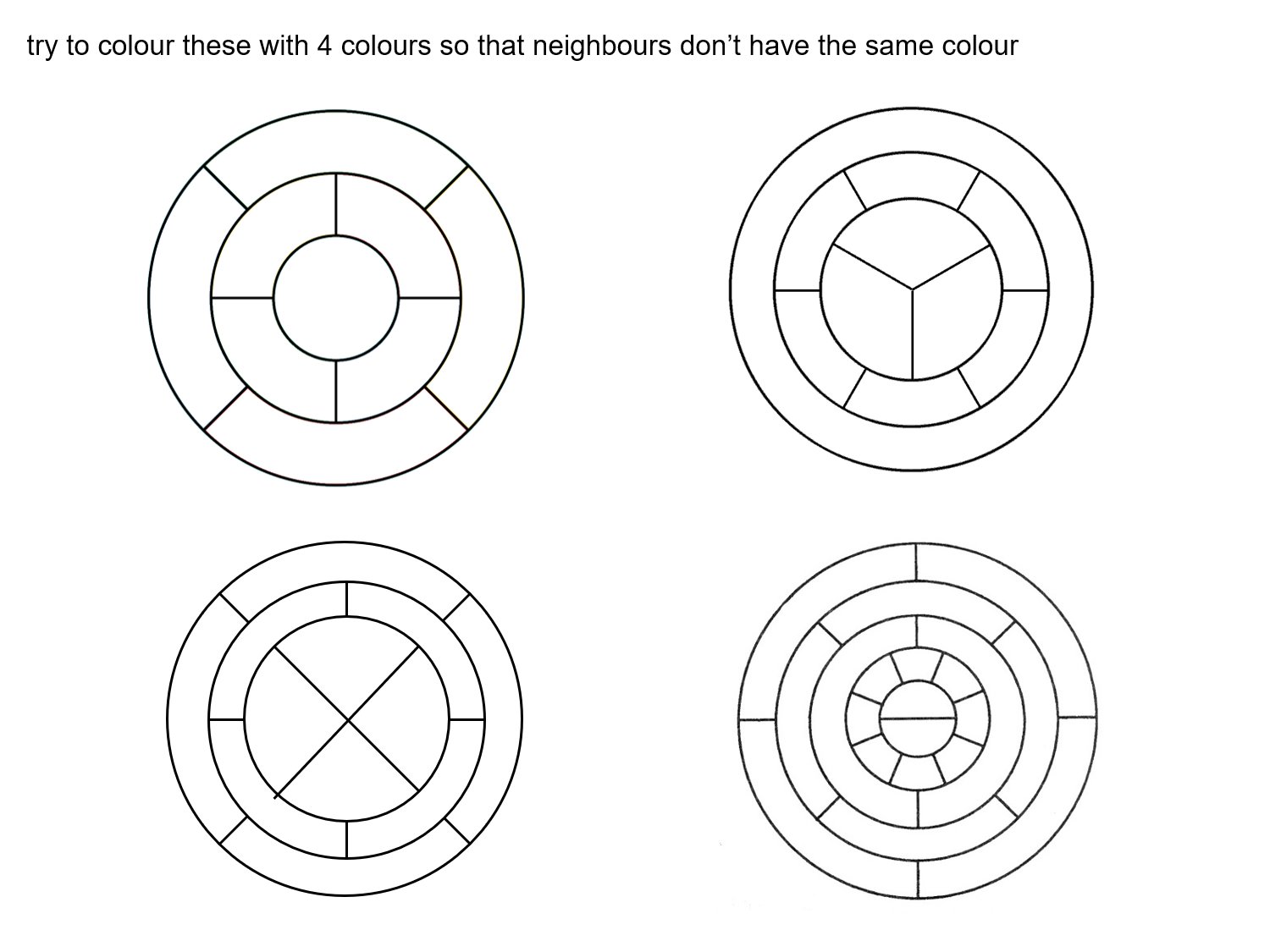
There are a few ways to start this problem off. I use JSPaint online then I open image files and use the bucket to fill in sections of images as I display it on the board. One prompt that I used was a very simple diagram that had to be coloured in using just two colours. I follow that with a slightly harder one that can still be coloured in two, but leads to the next point – how can I draw a more complex pattern? Then next one is more difficult – but we still manage with just three colours. Progressing to a collection of slightly difficult pictures from Don Steward – I ask, how many can this be done with? We ask, is three or four enough? then we have a go at it and solve for four colours.
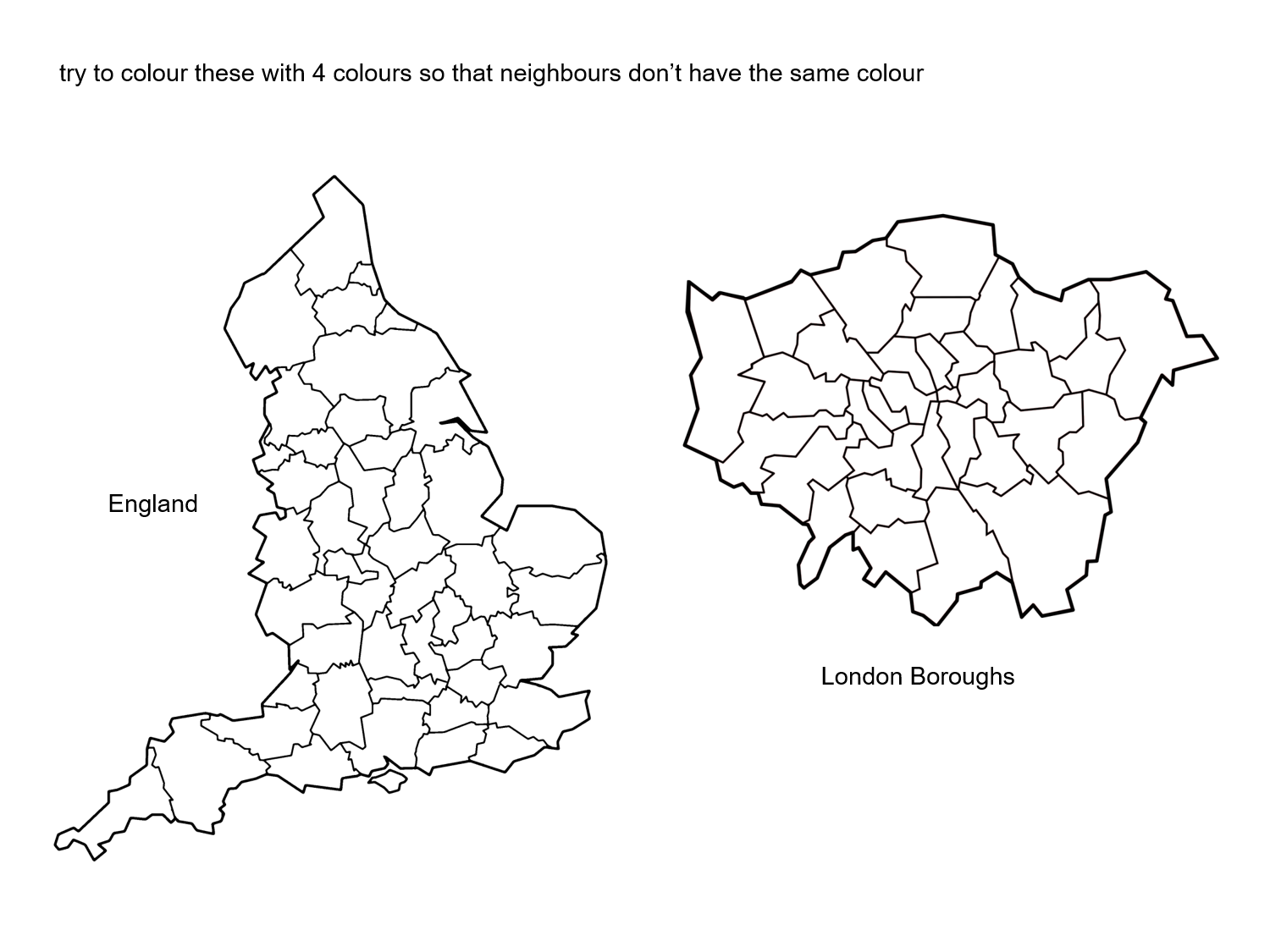
Then I will show another more complex sheet to colour and ask if we can do that one in just four colours? After some debate, I then show them about how mathematicians and brothers Francis and Frederik Guthrie asked the same question in 1852 particularly looking at the map of English counties. in 1879 and 1880, two different mathematicians finally proved it. However 11 years later, they were found out to be wrong!
We then have a go at using just four colours as part of our own investigation. If using/access to digital devices – there are some great online tools that can be used:
JSPaint is like an old Microsoft Paint online – and it is can be used with any picture you upload, so you could share some files using Google Classroom or similar, the students can then open them using the website tool and use the bucket tool to colour it in. You can also create your own maps and share with students in the class.
Mathigon – This is a very easy to use site that guides students into completing various challenges – on this page however are four maps covering Americas and Europe that can be coloured in and be marked depending on how you filled it in.
Transum Four Colour This has four more patterns to complete – it will also mark your performance.
Kleemans Four Colour Solver – This is magnificent – you can draw (only straight lines) and the computer will solve by colouring in less than four colours. What makes this INCREDIBLE is that it goes on to explain how it works. Far beyond young minds, but may excite older, inquisitive, budding computer scientists.
Printing Resources: (can be done online too)
 Maths Beyond the Curriculum