
Pancake Numbers: Flipping pancakes to make sure you have a stack from smallest to largest, is actually a fantastically deep investigation. Fun fact: Bill Gates wrote a paper on this whilst at University, as did David X. Cohen, the former head writer of the Simpsons and Futurama. Suitable for ages 9+
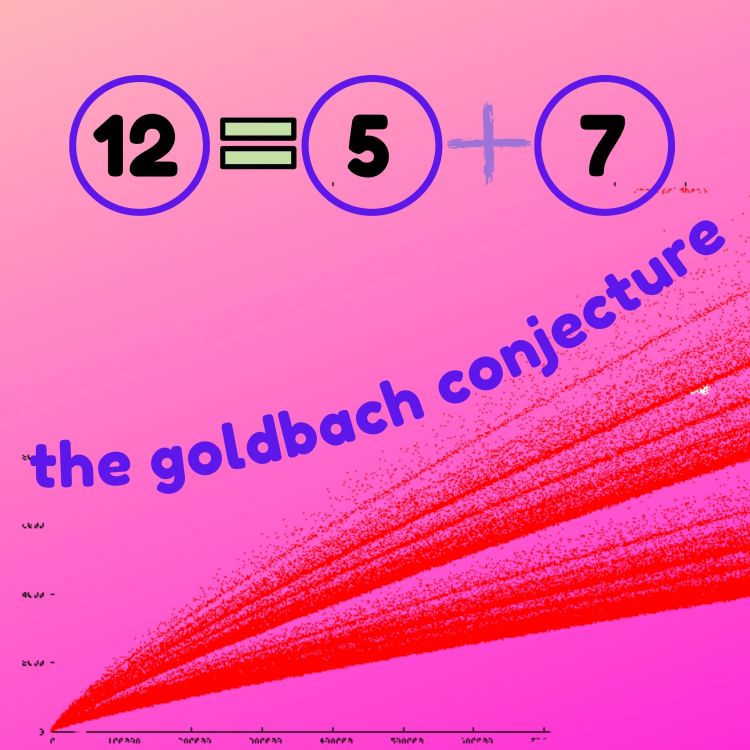
Goldbach Conjecture: Another unsolved problem, this one is a nice investigation looking at prime numbers and again has its controversy. This is a super simple entry point (adding) and leads to interesting discussions about proof. Suitable for ages 9+
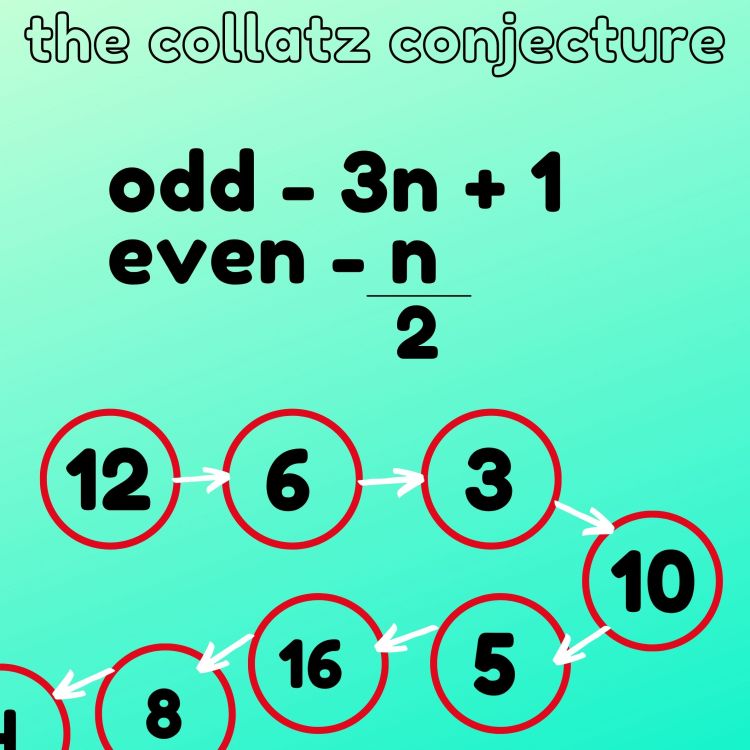
Collatz Conjecture: Conjectures are mathematical ideas that have never been proven. The Collatz conjecture is so simple as a premise, but has never been solved and remains one of the top ten unsolved maths problems. Suitable for ages 8+
Four Colour Theorem: Forget mindfulness, spend a lesson colouring and discover one of the most impressive and creative mathematical theorems. This was one of the first theorems to be solved by a computer. Suitable for ages 8+

Minecraft and Cheating: Some pretty advanced maths and written papers were created in response to what was ultimately a small hack to try and beat Minecraft quickly – learn probability and even what a binomial distribution tells us whilst keeping the maths fairly straight forward and discovering the maths in Minecraft. ages 10+ is best
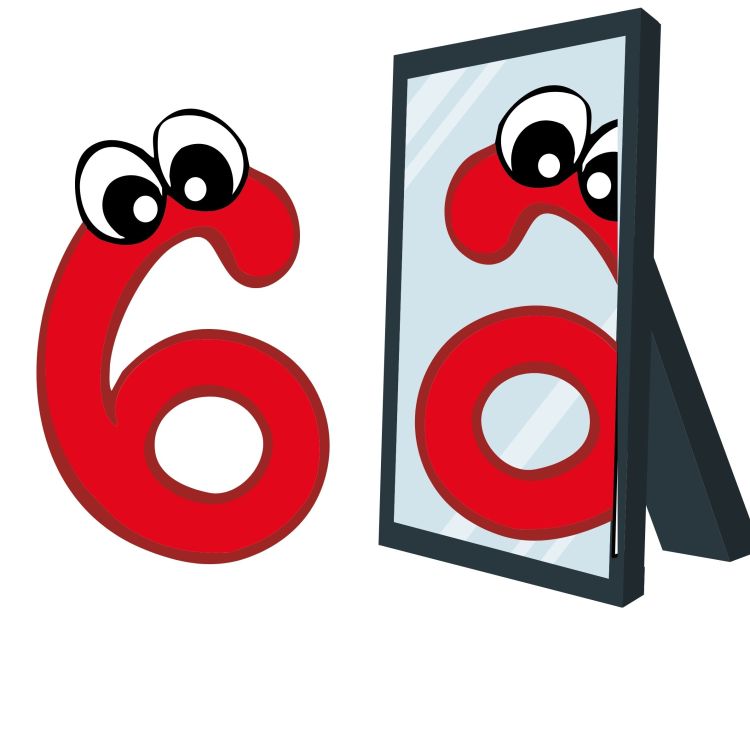
Happy Numbers and more. For a number to be happy, you need to check what happens when you square each digit and add them. Amazingly repeating this leads to only two possible outcomes.
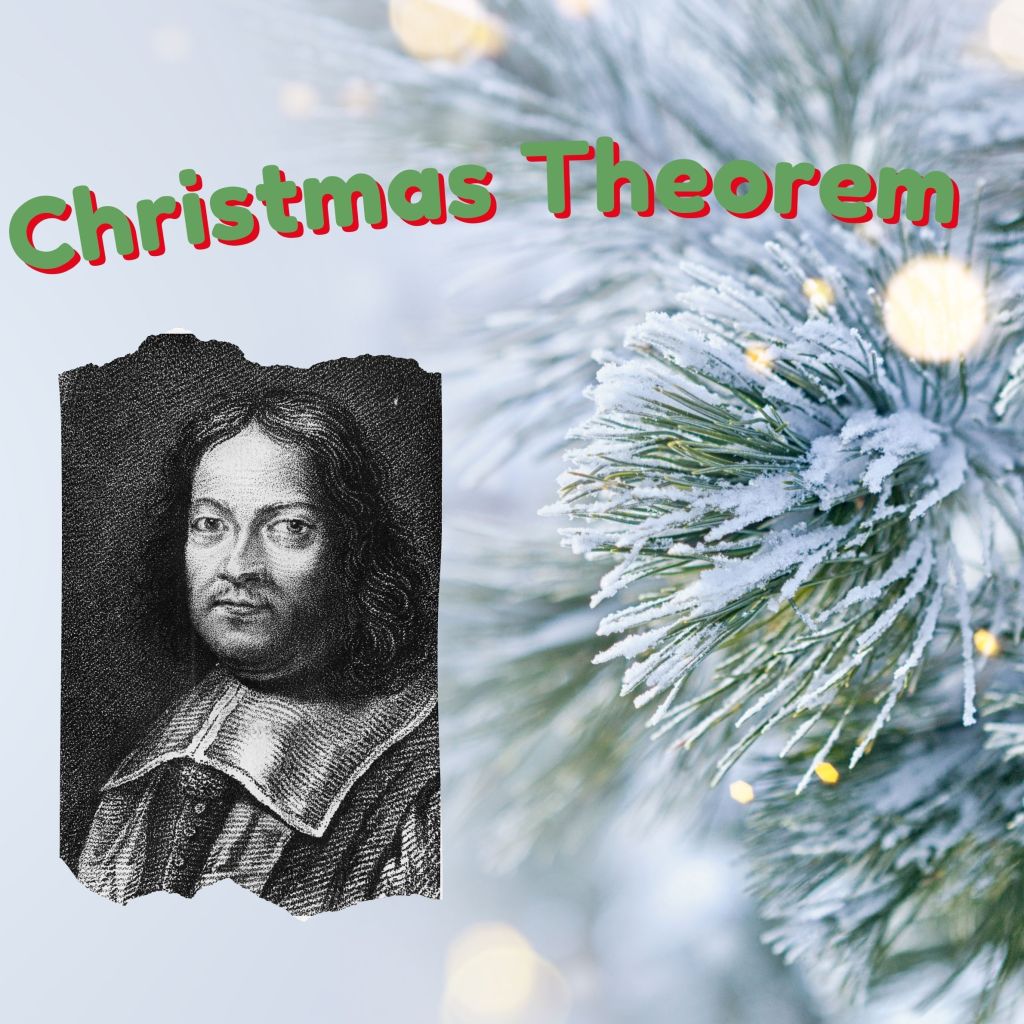
Fermat’s Christmas Theorem: More fun with primes and squares! This time a classic Fermat move – a theroem without a proof! Great for 9+

Folding Paper in Half The myth of how many times you can fold a piece of paper was solved using maths by a high school student. Learn all about it and teach exponential growth in this hands on lesson for ages 7+

The Three Cubes Problem: What looks like a straightforward statement actually created years of computational thinking to solve for all numbers less than 100. You should see the answer for k = 33!!!
 Maths Beyond the Curriculum